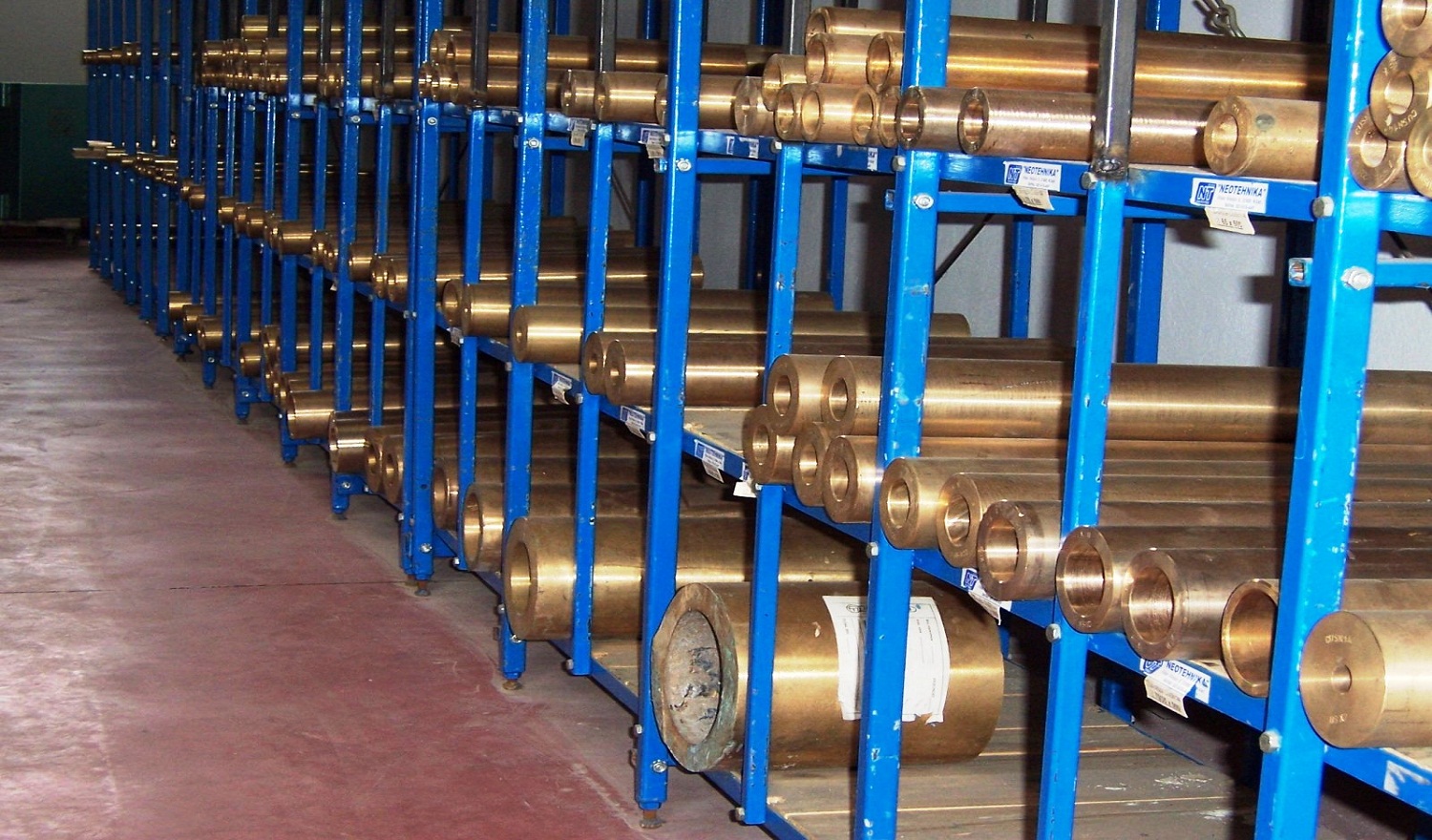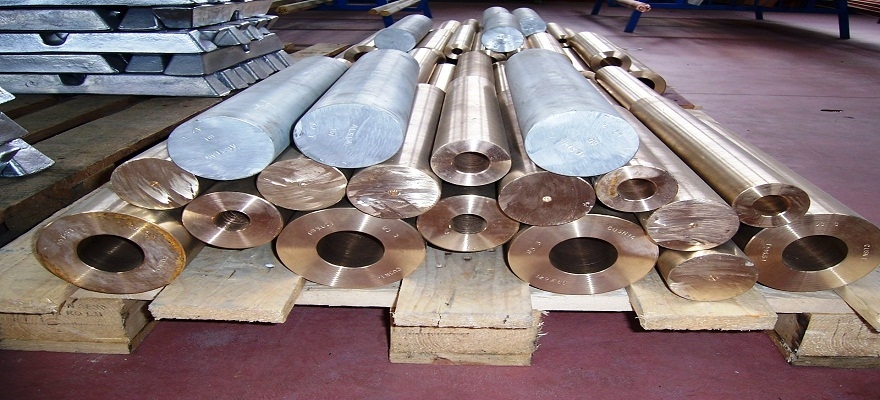
Bronze is an alloy of copper and tin. However, from a broader point of view, it does not have to be a double alloy, nor does tin have to be an alloying element, which is why, in addition to tin, there are aluminum, lead, manganese and other bronzes. It is a double or triple alloy with at least 60% copper and no zinc as the main additional element.
In tin bronzes, the highest content of tin does not exceed 20%. The presence of tin in the alloy increases its strength and at the same time decreases its plasticity. This decrease in plasticity is not particularly large up to a tin content of 5%, but is significantly faster after that. That is why the tin content is higher in cast bronzes than in deformation bronzes. The strength increases up to 15% tin and then starts to decrease.
Alloys of copper with aluminum and other accompanying elements (manganese, nickel, iron, etc.) are called aluminum bronzes in practice and have up to 11.5% aluminum in their composition. By increasing the aluminum content in the alloy of the Cu-Al system, the tensile strength increases, and it reaches its maximum at a content of about 10.5%. However, the deformation capacity with increasing aluminum content decreases up to 2% Al and then increases and reaches its maximum at 8% Al.
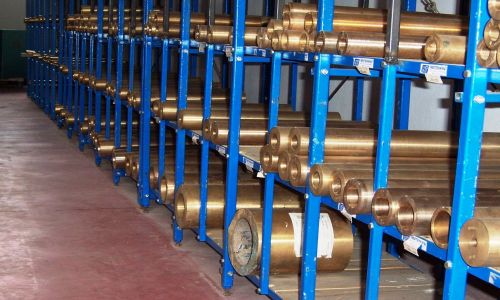
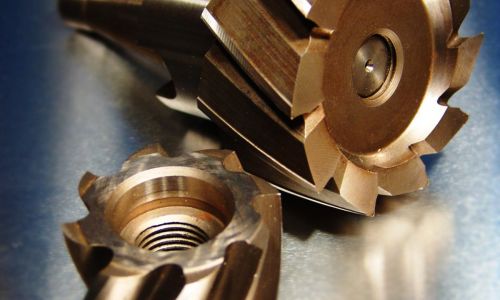
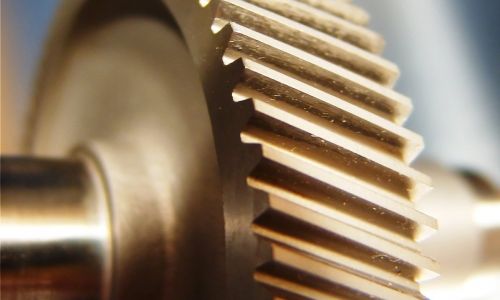
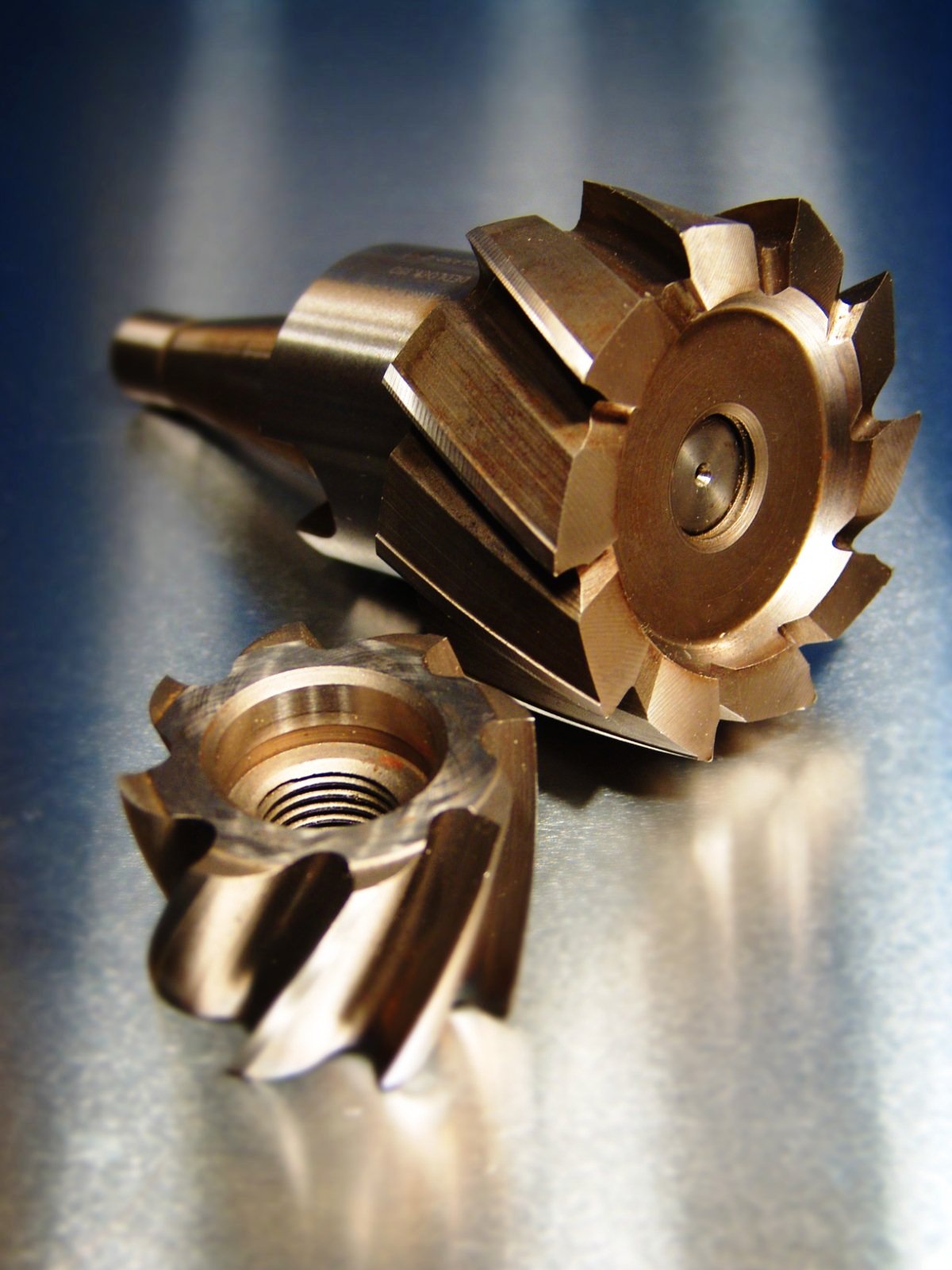
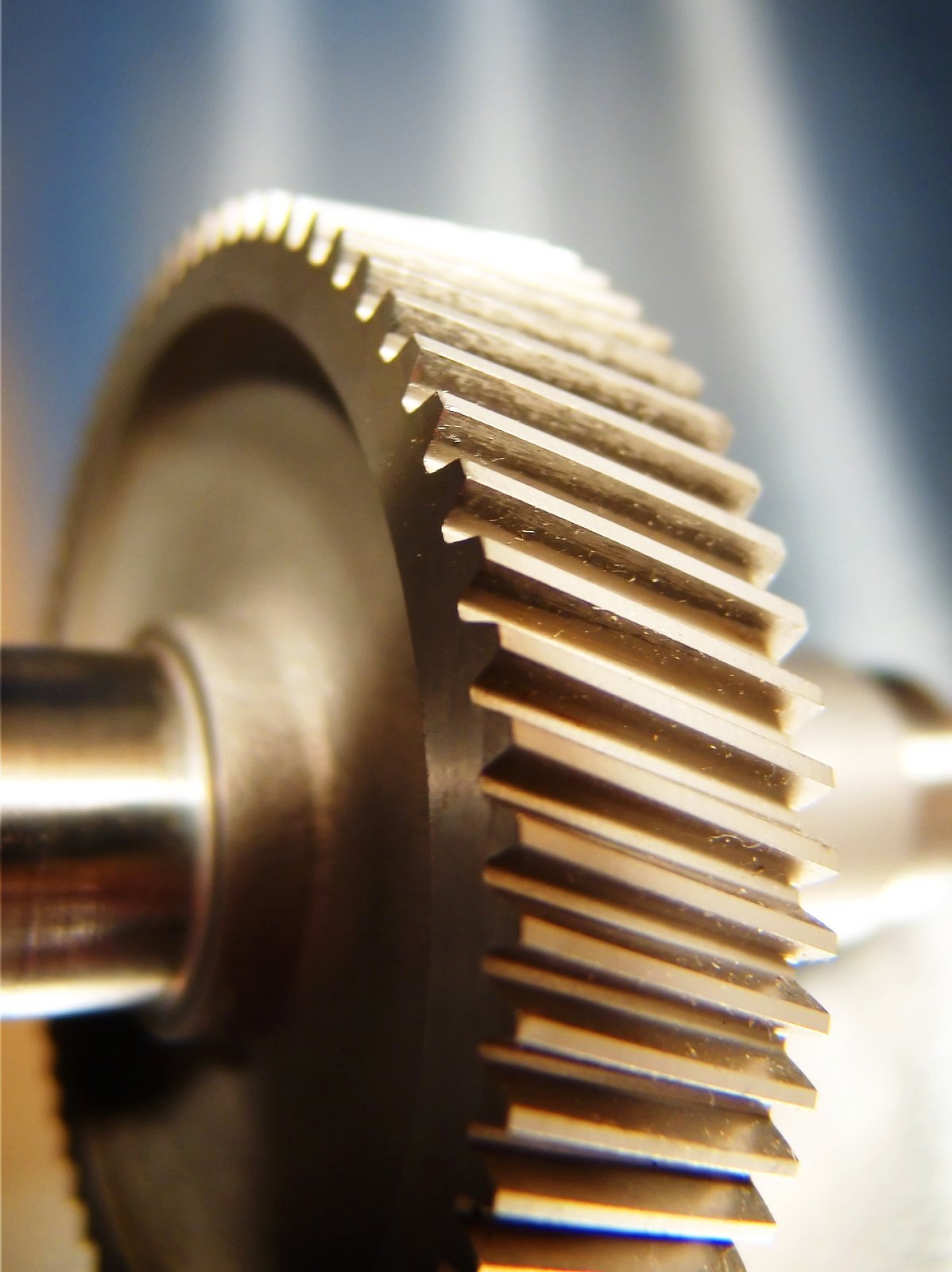
Tin and aluminum bronzes are corrosion- and seawater-resistant, wear-resistant alloys. They are used for heavily loaded sliding plates and slats, sliding bearings of rotating spindles, for rings of worm wheels and other gears, for fittings under pressure, for turbine and pump wheels, liners of rolling bearings, for highly loaded switches, spindle matrices, gears, crane wheels etc.
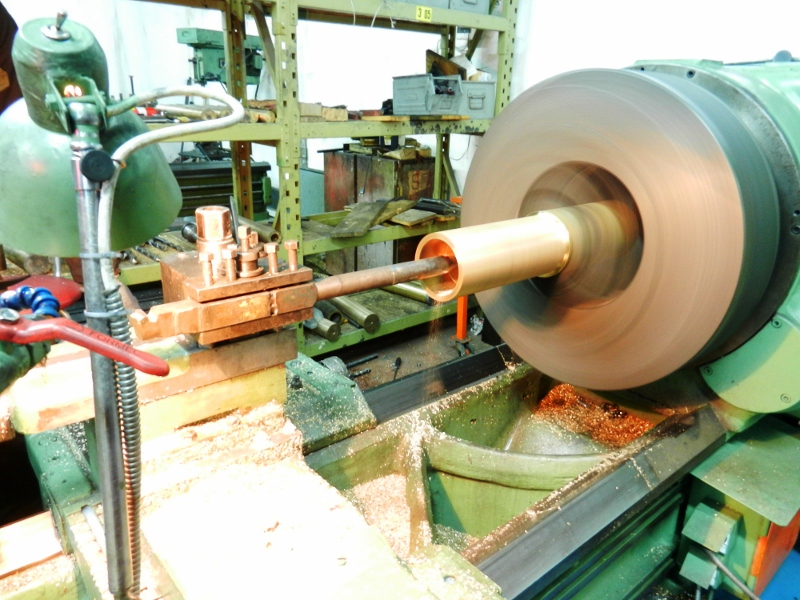
Više o prodajnom asortimanu bronze možete pogledati ovde